
Explore India’s Best Tiger Reserves, Understand NTCA Filming Guidelines, and Learn the Step-by-Step National Park Filming Permission Process with Help from a Local Fixer
India, home to over 70% of the world’s wild Bengal tigers, offers some of the most incredible opportunities for wildlife documentary filming. With 53 officially recognized Tiger Reserves, the country has become a hotspot for filmmakers seeking to document tigers, biodiversity, and pristine jungle landscapes. However, filming inside any national park or wildlife sanctuary in India involves a complex, multi-level permission process governed by strict NTCA (National Tiger Conservation Authority) guidelines. Without expert guidance and local support, this process can be both time-consuming and expensive. That’s where Filming Indo, your trusted fixer in India for filming, steps in to simplify the entire experience.
List of All Tiger Reserves in India (as of 2024)
Here’s a full list of the Tiger Reserves across India, organized by state, along with their unique attributes:
Madhya Pradesh (7 Reserves)
- Kanha Tiger Reserve – Known for rich sal forests and inspiration behind The Jungle Book
- Bandhavgarh Tiger Reserve – Famous for having one of the highest tiger densities
- Pench Tiger Reserve – Shared with Maharashtra; excellent for tiger sightings
- Satpura Tiger Reserve – Noted for rugged terrain and walking safaris
- Panna Tiger Reserve – Once declared tiger-less, now a conservation success story
- Sanjay-Dubri Tiger Reserve – Less explored, rich biodiversity
- Ratapani Tiger Reserve – Recently notified; known for rocky terrain and dry deciduous forests
Maharashtra (6 Reserves)
- Tadoba-Andhari – Maharashtra’s oldest and largest tiger reserve
- Melghat – First declared reserve under Project Tiger (1973)
- Pench (Maharashtra) – Shares boundary with Pench, MP
- Nagzira-Navegaon – A paradise for wildlife photographers
- Bor Tiger Reserve – Compact, located near Wardha
- Tipeshwar – Rich in diverse fauna
Rajasthan (4 Reserves)
- Ranthambhore – Most popular among tourists and filmmakers
- Sariska – Known for tiger reintroduction success
- Mukundra Hills – Lesser known but scenic
- Ramgarh Vishdhari – Recently declared as a Tiger Reserve
Karnataka (5 Reserves)
- Bandipur – Part of the Nilgiri Biosphere Reserve
- Nagarhole (Rajiv Gandhi) – Famous for forest rivers and elephants
- Bhadra – Known for dense forests
- Dandeli-Anshi (Kali) – Rich biodiversity and birdlife
- Biligiri Ranganatha (BRT) – Meeting point of Eastern and Western Ghats
Uttarakhand (2 Reserves)
- Jim Corbett – India’s first and most iconic national park
- Rajaji – Rich in elephants and recently upgraded to tiger reserve status
Uttar Pradesh (2 Reserves)
- Dudhwa Tiger Reserve – Remote and rich in birdlife and swamp deer
- Pilibhit – Lush forests and unique grasslands
Other Notable Reserves Across India
- Sundarbans (West Bengal) – Mangrove forests and tigers that swim
- Kaziranga and Manas (Assam) – UNESCO World Heritage Sites
- Valmiki (Bihar) – Only tiger reserve in the state
- Similipal (Odisha) – Elephants and medicinal plants
- Periyar (Kerala) – Known for boat safaris
- Parambikulam (Kerala) – Thick vegetation and tribal culture
- Satkosia (Odisha) – Scenic gorge of River Mahanadi
- Indravati (Chhattisgarh) – Remote, with tribal presence
- Namdapha and Pakke (Arunachal Pradesh) – Lush rainforests and multiple big cat species
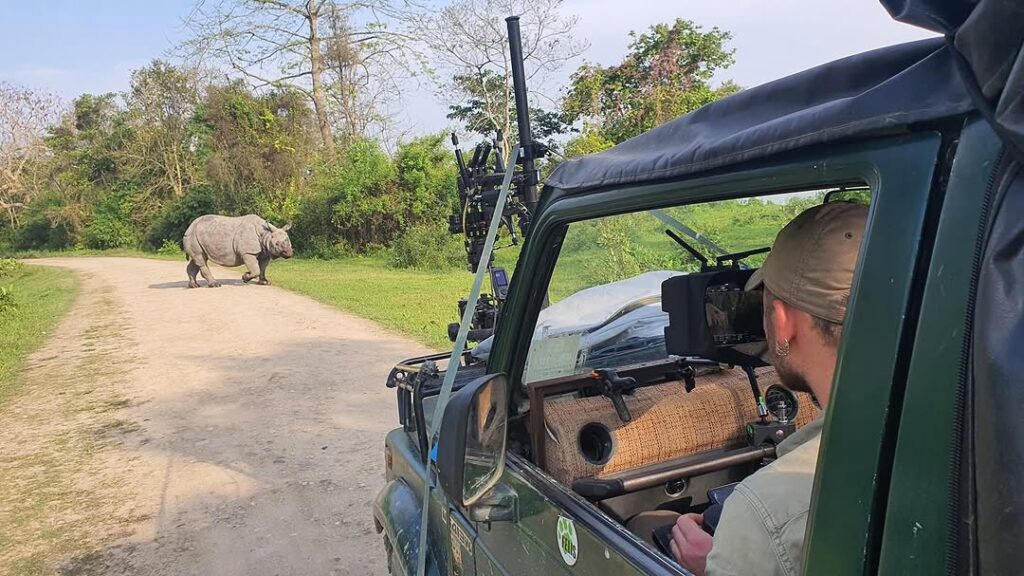
Why Tiger Reserves in India Are Important for Wildlife Filmmaking
India’s Tiger Reserves are not only vital for the survival of the Bengal tiger but also serve as thriving ecosystems for a wide variety of flora and fauna. Managed under the Project Tiger initiative and supervised by the NTCA, these reserves protect critical biodiversity while allowing for regulated research and documentary filming.
Benefits of filming in Tiger Reserves:
- Access to exclusive tiger habitats and wildlife
- Dense forests, rivers, and dramatic terrains perfect for cinematography
- Rich tribal and cultural stories that complement wildlife themes
- Protected zones with active conservation stories
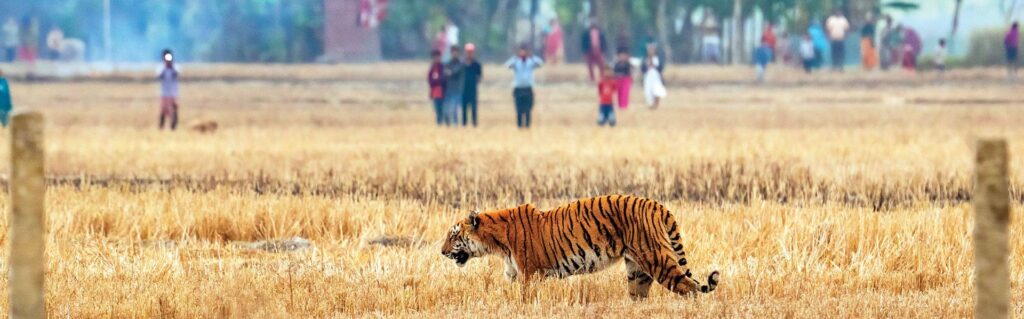
Role of the National Tiger Conservation Authority (NTCA) in Filming
The National Tiger Conservation Authority (NTCA) under the Ministry of Environment, Forest and Climate Change (MoEFCC) is responsible for approving and overseeing filming activities in Tiger Reserves. Their role is to:
- Approve or reject wildlife filming proposals
- Ensure wildlife is not disturbed during filming
- Set filming fees and eco-sensitive zone rules
- Coordinate with state forest departments and national park directors
Any filmmaker, especially international crews, must comply with these NTCA guidelines for wildlife documentary filming to secure access to tiger habitats.
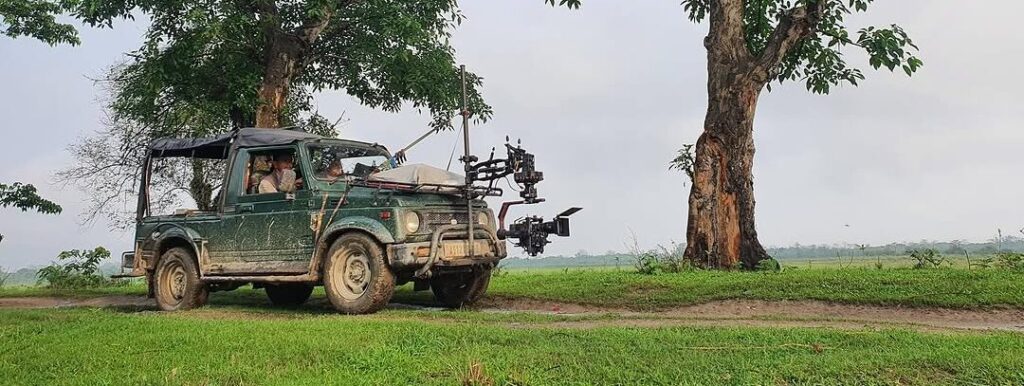
Step-by-Step Process for Obtaining Filming Permissions in Indian National Parks
Filming inside India’s protected forest areas—including Tiger Reserves, National Parks, and Wildlife Sanctuaries—requires clearances from multiple government authorities.
Here’s a breakdown of the filming permission process for wildlife and forest areas in India:
Step 1: Ministry of External Affairs (MEA), New Delhi For all foreign film crews, obtaining permission from MEA is the first step, especially if your film will be publicly broadcast or commercially released.
Step 2: Ministry of Environment, Forest and Climate Change (MoEFCC), New Delhi This central ministry evaluates whether your project aligns with environmental norms and NTCA filming policies. MoEFCC approval is essential for any project inside national parks.
Step 3: Forest Secretary of the State Government You’ll need permission from the state’s Principal Secretary (Forest) where the Tiger Reserve is located. This ensures state-level oversight and coordination.
Step 4: State Forest Department The local Forest Department will assess your shooting plan, equipment, crew size, and dates before granting access to specific zones in the reserve.
Step 5: Director of the National Park / Tiger Reserve Each reserve has a dedicated Park Director who must approve the actual on-ground filming. They may suggest routes, guides, and timing constraints.
Step 6: Divisional Forest Officer (DFO) of Concerned Range Lastly, approval from the DFO overseeing the specific range or filming location is needed. This is where logistical support, entry permits, and ground rules are finalized.
Total Estimated Time for Approvals: This national park filming permission process can take 2–3 months or longer, depending on the complexity of your project and the park’s sensitivity.
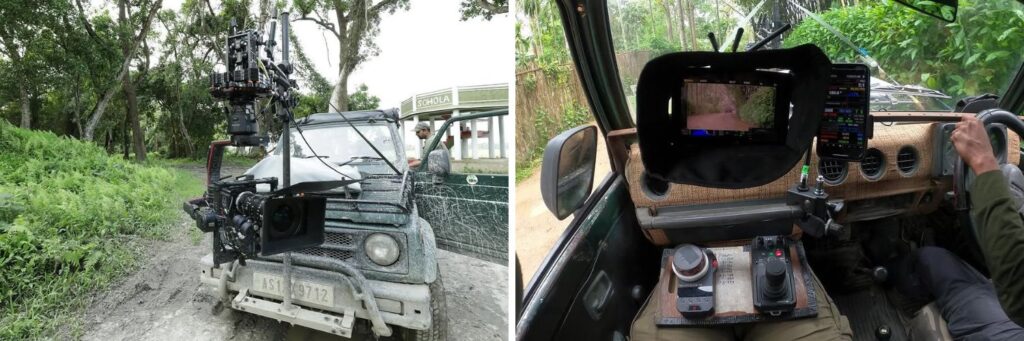
Why You Need a Local Fixer for Wildlife Documentary Filming in India
India’s bureaucratic system can be challenging to navigate. Without a local fixer for filming, you risk missing deadlines, losing money, and facing rejected applications due to minor errors. That’s where Filming Indo comes in.
We offer:
- Complete end-to-end assistance with all filming permits
- Direct liaison with forest departments, ministries, and NTCA
- Local crew, guides, translators, and production logistics
- On-ground support in remote forest areas
- Cost-effective solutions and fast-track clearances
We have successfully managed multiple wildlife projects across India, including for international broadcasters like BBC, ARTE, German TV, and Japanese networks.
Let Filming Indo Be Your Fixer for Wildlife Projects in India
If you’re planning a wildlife documentary, a TV series on Bengal tigers, or nature-based content in India, we’re here to help. Filming Indo provides unmatched local support to ensure your production is smooth, legal, and creatively rewarding. Get in touch with us today to start your filming journey in India’s most iconic Tiger Reserves.
Just send an email to info@filmingindo.com and let’s get started!

We are Government of India recognized Fixer & Line Production Company in India
 ………………………………
Behind the Scenes from our Recent Works as a FIXER in INDIA


CLIENTS FEEDBACK WHO HIRED US AS A FIXER IN INDIA
Want to Learn More? Read Our other Blog related to wildlife filming in India:
Indian Wildlife Sanctuaries than can be the shooting location for your next project
Filming in Assam: A Paradise for Documentary, TV, and Commercial Productions
Bera & Jawai in Rajasthan, Where Leopards and Humans Coexist in Harmony
Discovering the World’s Second Largest Sloth Bear Rescue Centre in Bengaluru, India
Crocodiles and Humans live together in India’s Charotar in Gujarat
Hunting Festivals of West Bengal — Grim Reality of Wildlife Massacre in India
Asian elephant endangered due to human taking over their homes
The extinct long-snouted Gharial continues to make an impressive comeback near Chambal River